It’s one of the questions we get asked most at the Northern Rivers Koala Hospital: how long do koalas actually live? The honest answer is: it depends, and some of the stories that have come through our Koala Care Centre over the years might surprise you.
How long do koalas live in the wild?
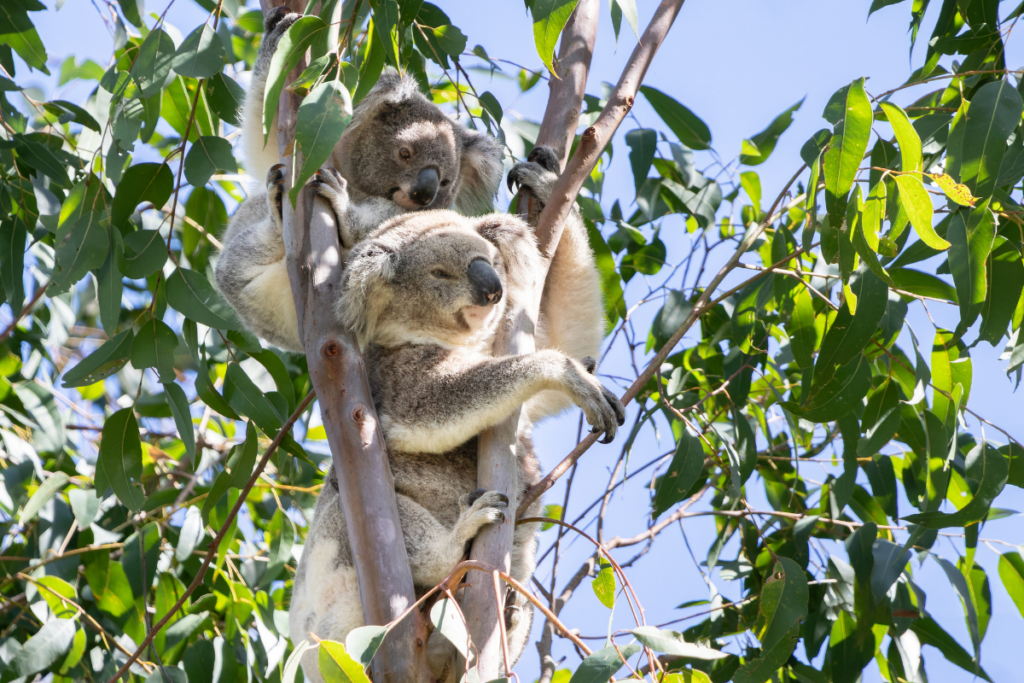
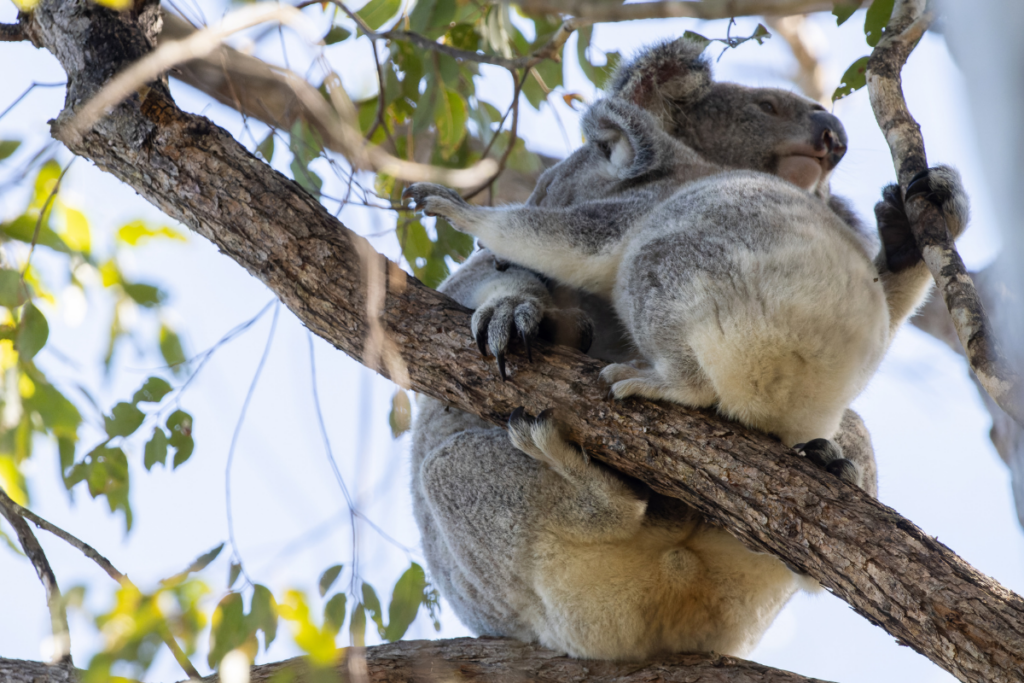
In the wild, a koala’s lifespan usually falls somewhere between ten and fifteen years. Females tend to live longer than males, sometimes reaching eighteen years or more, while males often have a harder time of it, having to take more risks as they travel and compete for mates.
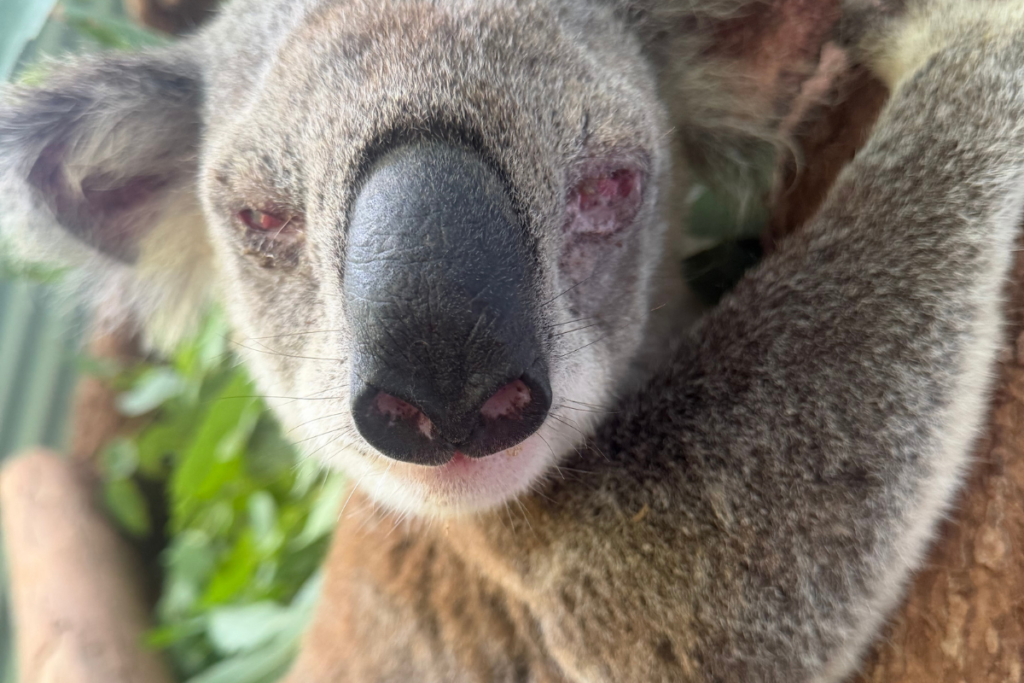
Of course, that’s the ideal scenario. Many of the koalas who come into our care don’t live anywhere near that long. Life expectancy drops sharply once you factor in the everyday dangers koalas face: cars, dogs, shrinking habitat, and chlamydia, which remains one of the biggest threats to the species.
The oldest wild koala we’ve ever cared for
The oldest wild koala that ever came into care with Friends of the Koala was a koala named Wendy and we have previously written about her extraordinary story before.
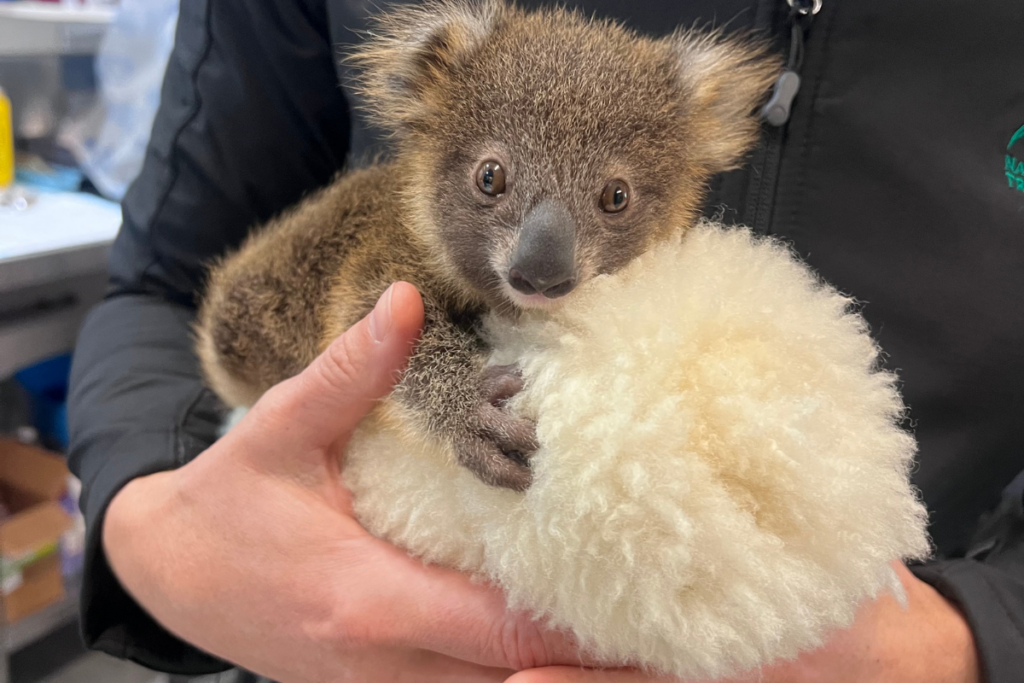
Wendy was originally rescued as a ten month old joey back in 2005, after being hit by a car near Southern Cross University. She was hand raised and released back into the bush. Nineteen years later, in 2024, a call came in about a small, unresponsive koala found at Georgica, and it turned out to be Wendy, now twenty years old. A breeding female surviving that long in the wild is almost unheard of. Her story is one we love telling, because it shows just how far a healthy start and good habitat can carry a koala.
How long do koalas live in captivity?
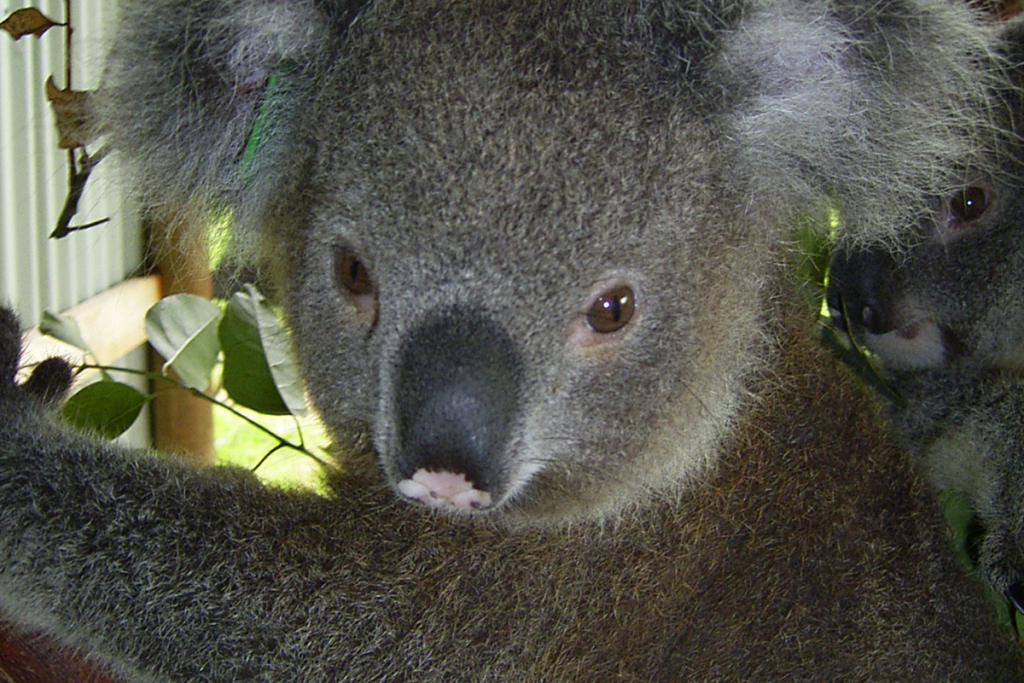
Koalas in professional care, with steady nutrition, veterinary support, and none of the dangers of cars or dogs, tend to live longer than their wild counterparts, often reaching fifteen to twenty years, and occasionally beyond.
How can you tell how old a koala is?
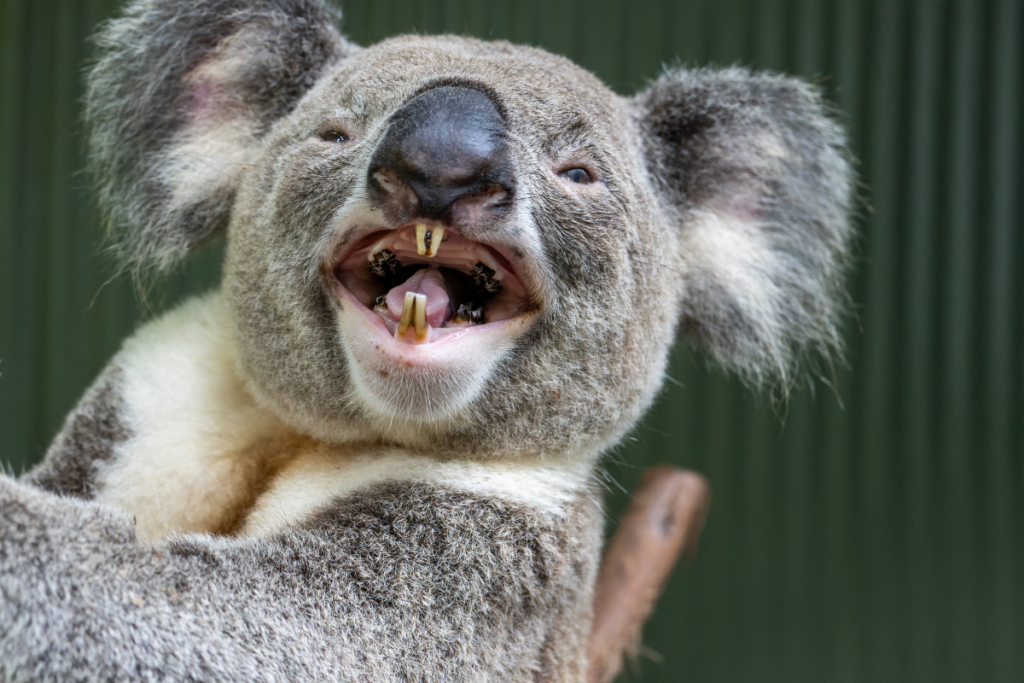
Here’s a fun one: you can actually get a rough idea of a koala’s age just from its teeth. Because koalas eat such tough eucalyptus leaves every single day, their teeth wear down steadily over a lifetime, giving our vets and carers a handy guide when a koala’s exact age isn’t known.
For younger koalas, vets can estimate age from body size and weight, since they’re still growing. Once a koala reaches adulthood, though, teeth become the best clue we have, wearing down gradually from years of chewing tough eucalyptus leaves.
What actually determines a koala’s lifespan?
A few things tend to matter most:
- Habitat. Koalas with access to healthy, connected forest simply have a better shot at a long life.
- Disease. Chlamydia continues to take a heavy toll on koala populations, affecting both health and breeding.
- Cars and dogs. As habitat shrinks and koalas are pushed closer to towns and roads, vehicle strikes and dog attacks become bigger threats.
- Sex. Females generally outlive males, who face more risk simply from how far they roam and how often they fight for territory.
Why it matters
Every extra year a koala gets in the wild counts, for that koala and for the species as a whole. Wendy’s story is a reminder of what’s possible when a koala has the right conditions behind her. It’s also a reminder of why our work matters: protecting habitat, vaccinating against chlamydia, and helping koalas avoid the everyday dangers that so often cut their lives short.
If you would like to help give koalas like Wendy the best possible chance at a long life in the wild, you can adopt a koala, support our Koala Hospital expansion or become a friend of the Northern Rivers Koala Hospital today.
Read more about koalas in our Interesting facts about koalas page and about beautiful Wendy. If you enjoyed reading this, you might also enjoy reading: