Koala Chlamydia Breakthrough: What It Means for the Northern Rivers
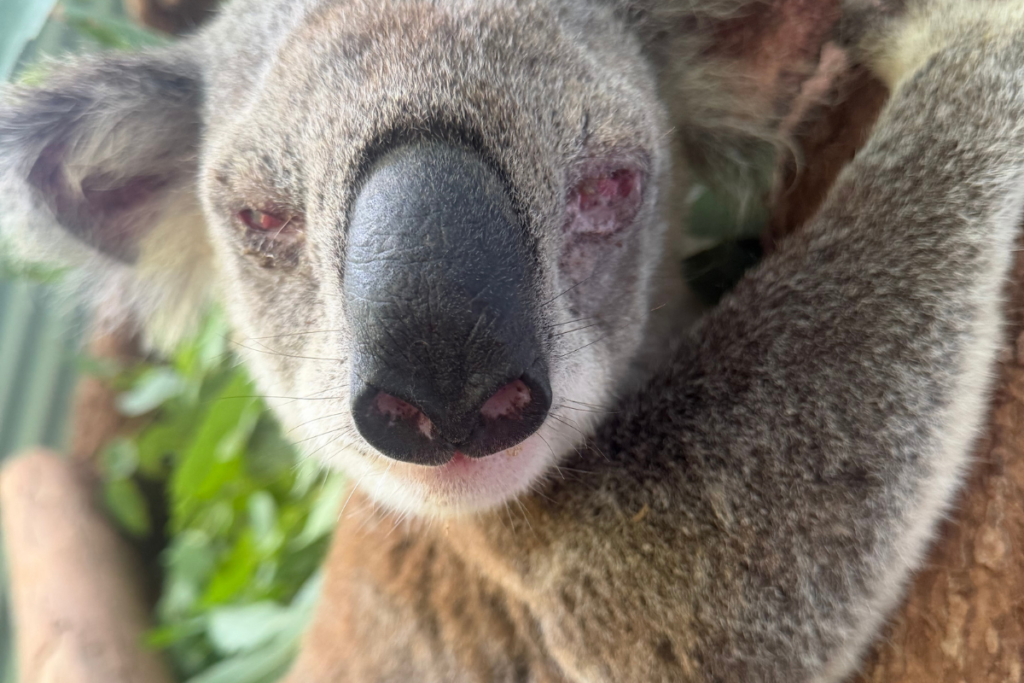
Chlamydia remains the biggest challenge facing koalas in our region. Last financial year it accounted for 55% of all admissions to our hospital, more than every other cause of injury and illness combined. So when there is genuine progress in understanding and treating this disease, it matters hugely.
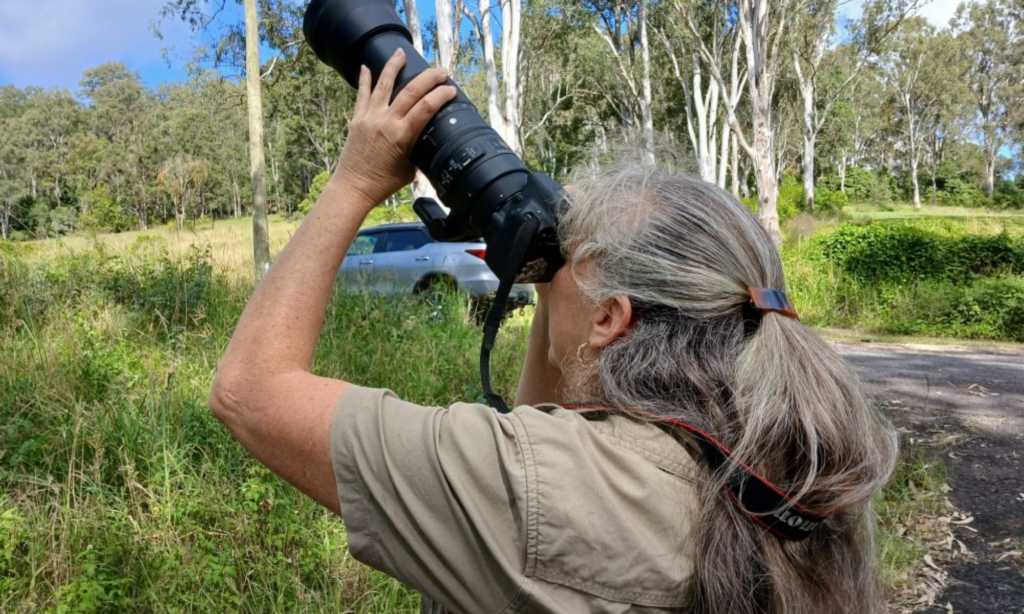
Earlier this year, researchers from Queensland University of Technology (QUT) and Currumbin Wildlife Hospital achieved a world first. An 18 month old wild koala named Bamse became the first koala to receive a chlamydia vaccine implant in the field. Until now, the two shot vaccine developed by QUT’s Professor Ken Beagley has required koalas to be captured twice, once for the initial dose and again a month later for the booster. That second capture has always been the hardest part of large scale vaccination. It is stressful for the koala, and it takes significant time and resources to locate and recapture an animal that has since moved on.
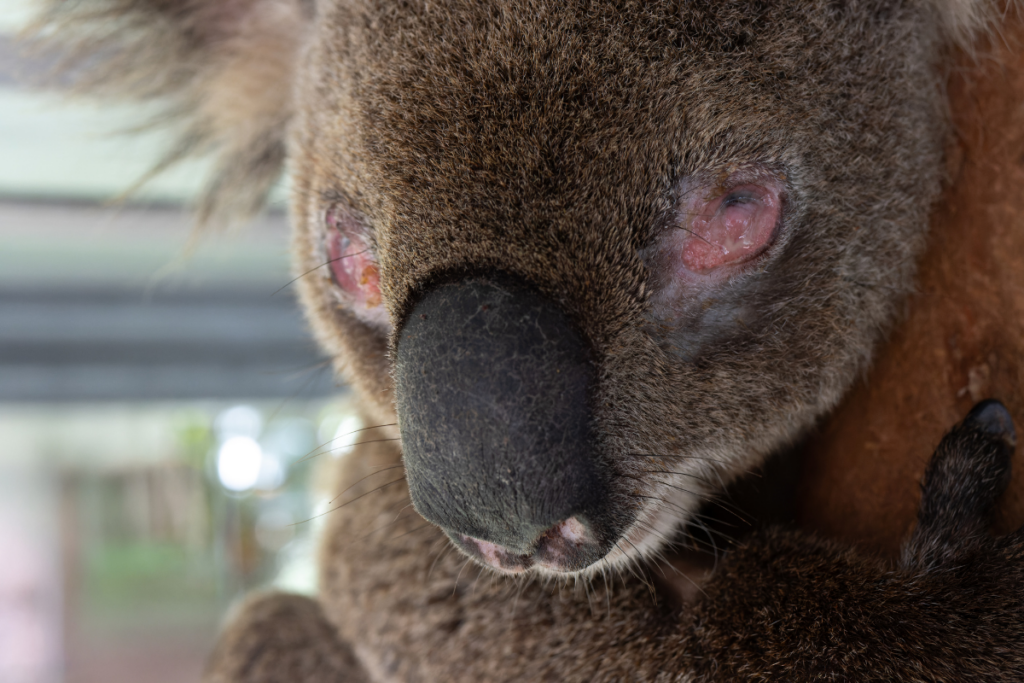
The new implant changes that. It is inserted alongside the first vaccine dose and is designed to break down naturally after 30 days, releasing the second dose on its own. Bamse was returned to her bushland home the same day as her procedure, wearing a GPS collar so the team can monitor her over the coming months. She and a second koala have already been recaptured for a one month check up, and both have tested chlamydia free. Five koalas in total now carry the implant, with more monitoring to come.
Friends of the Koala has a long standing connection to this project. Since February 2022, we have taken part in this same vaccination research alongside Dr Michael Pyne and the team at Currumbin Wildlife Hospital, transporting koalas for the three hour round trip to Pottsville so they can be included in the trial. It has only been possible thanks to the dedication of our volunteers, who make that journey again and again.
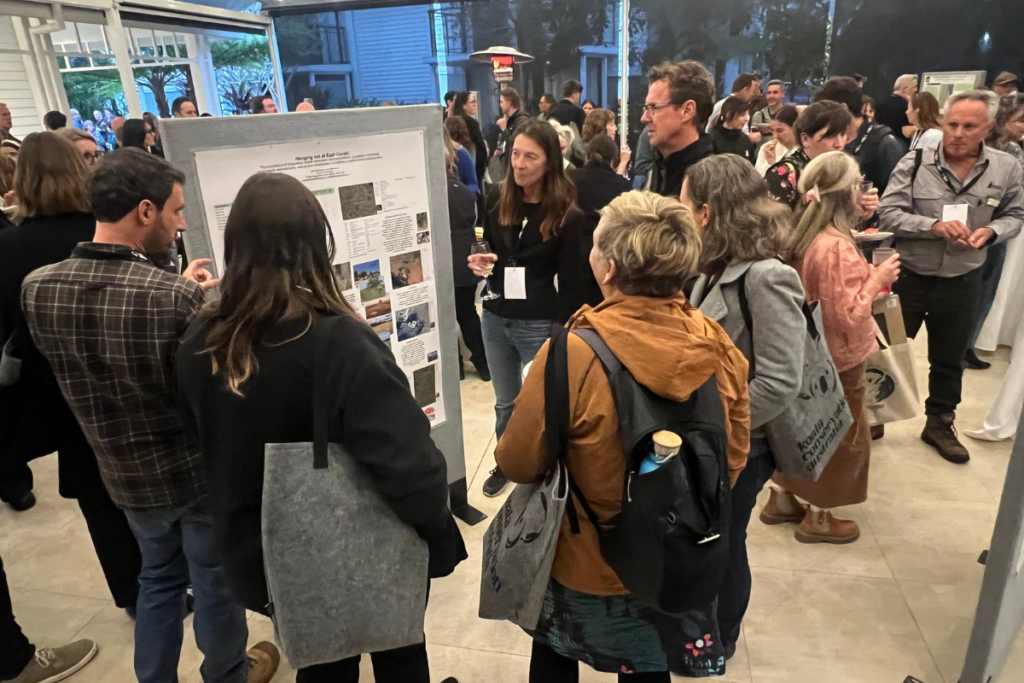
This breakthrough sits alongside a broader body of research we are proud to be part of. Now in its third year, our rollout of the University of the Sunshine Coast (UniSC) vaccine allows us to vaccinate and monitor healthy koalas as they are released from our care, contributing directly to statewide vaccine development. Alongside this, we are taking part in UniSC’s joey vaccine study, assessing how young, hand reared koalas respond to a vaccine formulation designed to be easier to produce and register at scale. One of this year’s joeys, Wriggles, is part of that trial after a long road back from serious injury.
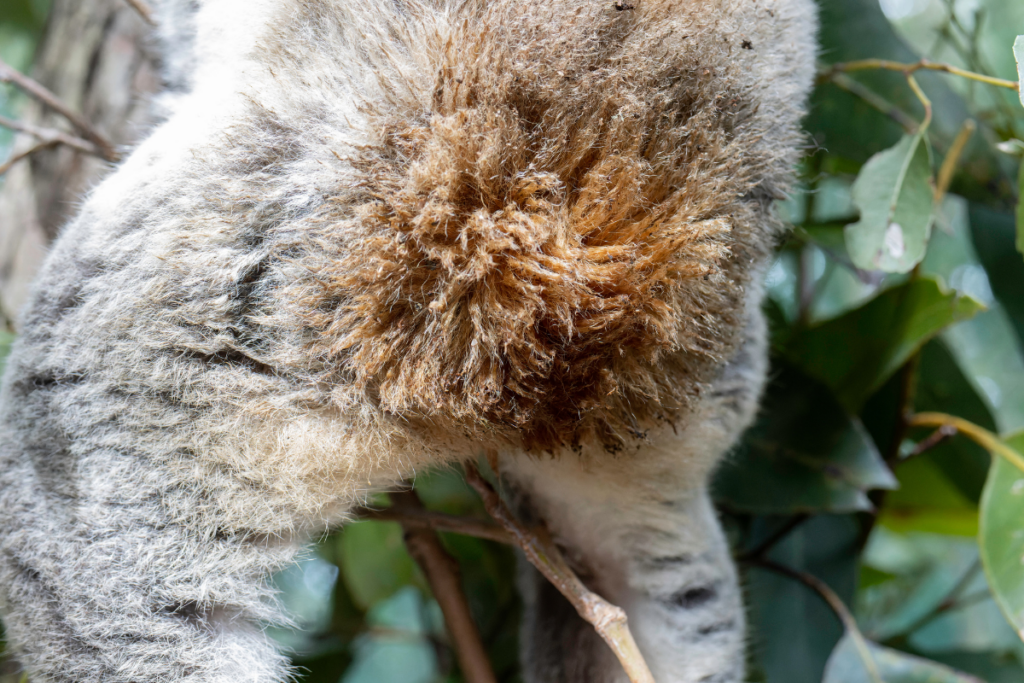
We are also contributing to a University of Queensland project developing a machine learning model that can detect chlamydial infection through non invasive scat sampling, work that could one day make diagnosis far less stressful for koalas in the wild. Samples from our local rescues are feeding into a koala pangenome project with the University of Sydney and a genomic diversity study with Southern New England Landcare, both building a clearer picture of koala genetic health across the region. Through the Koala Health Hub at the University of Sydney, we continue to support research into cryptococcosis, chlamydia, retrovirus and herpesvirus, and the diagnostic tools used to detect them.
This year alone, 60 koalas were vaccinated against chlamydia during their time in our care. It is not a small undertaking for a hospital our size, and it reflects something we believe strongly. Treating the koalas in front of us will always be our first responsibility, but research is what gives the next generation a better chance.
None of this happens without support. Our new laboratory and dedicated chlamydia PCR clean room, currently under construction as part of our hospital expansion, will allow us to do even more of this work in house. If you would like to help us get there, you can support the hospital expansion or consider becoming a monthly donor. Every contribution brings us closer to a future where fewer koalas need saving from this disease in the first place.
Read more: